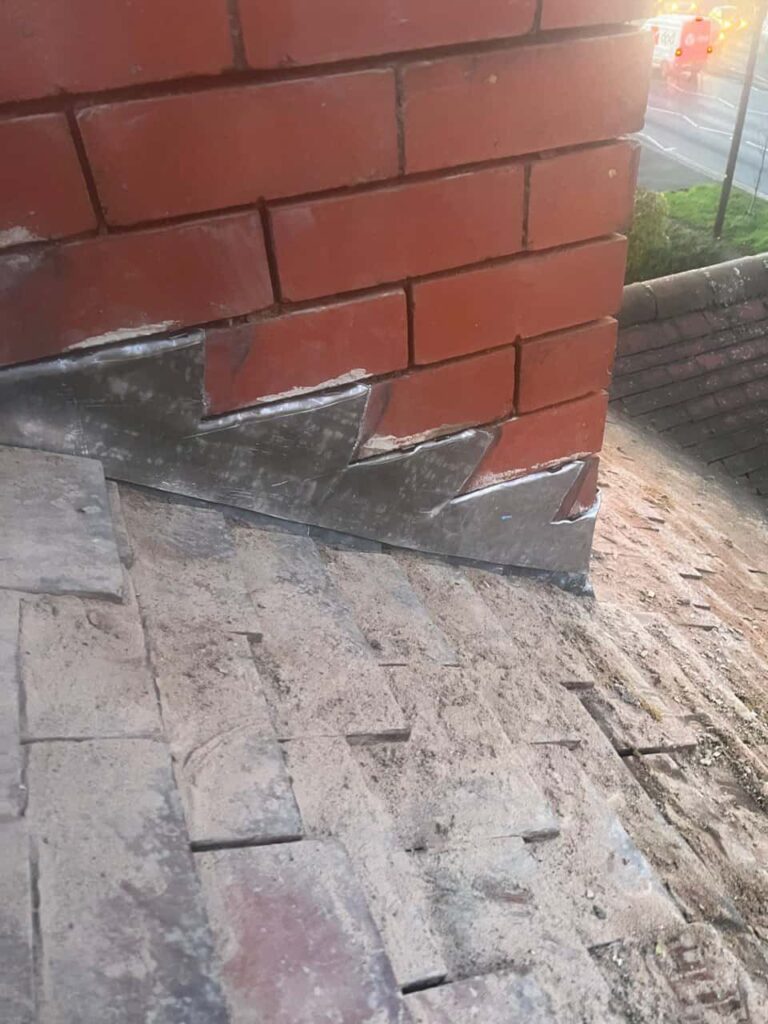
A chimney is one of the most exposed features of a roof, making the junction between the chimney and the surrounding roof covering particularly vulnerable to water ingress. Even when roof tiles or slates appear to be in good condition, damaged or deteriorating chimney flashing can allow rainwater to enter the property and cause problems inside.
Chimney flashing forms a weather-resistant seal around the base of the chimney, helping direct water away from vulnerable joints. When this flashing becomes loose, cracked or poorly secured, leaks can develop and lead to damp patches, damaged plasterwork and deterioration of roof timbers.
For homeowners in Selsey, West Sussex, recognising the signs of chimney flashing damage and arranging repairs promptly can help maintain a watertight roof. Selsey Roofing Repairs provides professional roof repair services to help identify defects and restore effective protection against the elements.
What Is Chimney Flashing and Why Does It Matter?
Chimney flashing is usually made from lead and is fitted where the chimney meets the roof covering. Its purpose is to close the gaps around this junction and guide rainwater safely away rather than allowing it to penetrate beneath the tiles or slates.
A typical chimney flashing arrangement may include stepped flashing along the sides of the chimney, apron flashing at the front and back gutters or back flashing where required by the roof design. These sections work together to create a weather-resistant junction.
Correct installation is essential. The flashing must be properly shaped, secured and integrated with the masonry and roofing materials. If one section fails, water can enter behind the flashing and travel into the roof structure, sometimes appearing indoors at a distance from the original defect.
Common Signs of Chimney Flashing Problems
Chimney flashing defects are not always immediately obvious from the ground. However, certain warning signs may indicate that the junction needs professional attention.
Damp Patches Around the Chimney
Brown marks on ceilings, damp areas around a chimney breast or peeling paint near the chimney can indicate water ingress. The problem may become more noticeable following periods of rainfall.
Although damaged flashing is a possible cause, leaks can also originate from defective chimney masonry, damaged roof coverings or other roof junctions. An inspection can help identify the actual source rather than treating only the visible symptoms.
Loose, Cracked or Split Leadwork
Lead flashing can deteriorate through age, repeated movement and prolonged exposure to the weather. Cracks, splits or lifted edges may create openings that allow water to pass beneath the material.
Loose flashing can also result from failed fixings or deterioration in the mortar joints that secure it. If these problems are left unresolved, water ingress may worsen as the damaged section becomes more exposed to wind and rain.
Crumbling Mortar Around the Chimney
Flashing is often fitted into joints in the chimney masonry. If the mortar becomes loose, cracked or eroded, the flashing may no longer sit securely against the chimney.
Gaps around these joints can allow rainwater to enter behind the leadwork. A lasting repair may therefore require attention to both the flashing and the surrounding mortar, rather than simply applying sealant to the visible gap.
Signs of Deterioration in the Roof Space
Moisture in the loft, damp roof timbers or staining around the chimney penetration can suggest a roofing defect. Water may travel along structural components before becoming visible, which can make the source difficult to locate without a thorough inspection.
If these signs appear, arranging a professional assessment can help establish whether chimney flashing is responsible and whether any surrounding materials have also been affected.
What Causes Chimney Flashing to Fail?
Several factors can contribute to chimney flashing problems. Age and weather exposure can gradually weaken leadwork, while repeated temperature changes cause roofing materials and masonry to expand and contract.
Poor installation can also create weaknesses. Flashing that is not correctly formed, secured or overlapped may allow water to penetrate from the outset. Deteriorating mortar can further compromise the seal, particularly around older chimney structures.
In some cases, the flashing itself remains serviceable, but adjacent roof tiles, slates or masonry have become damaged. Identifying the underlying cause is essential to selecting the right repair and reducing the likelihood of recurring leaks.
How Professional Chimney Flashing Repairs Work
The appropriate repair depends on the condition of the flashing and the surrounding roof. A professional roofer will assess the affected junction, look for signs of water ingress and determine whether the problem is localised or part of a wider defect.
Where the damage is limited, a suitable repair may involve securing a loose section, correcting a defective joint or addressing deteriorated mortar. If the leadwork is extensively split, badly fitted or beyond effective repair, replacing the affected section may be necessary.
The surrounding roof covering and chimney masonry should also be checked to ensure that other defects are not contributing to the leak. This broader assessment helps address the source of the problem rather than relying on a temporary surface treatment.
For properties in Selsey, West Sussex, prompt attention to damaged chimney flashing can help prevent ongoing moisture from affecting ceilings, walls and roof timbers.
How to Help Prevent Future Chimney Leaks
Regular roof maintenance can help identify flashing problems before water enters the property. Consider arranging periodic inspections, particularly if your roof is older or you have noticed signs of dampness around the chimney.
It is also sensible to seek professional advice if leadwork appears loose, mortar joints are deteriorating or roof tiles near the chimney have moved. Avoid climbing onto the roof to inspect or repair the flashing yourself, as working at height can be dangerous.
Keeping an eye on internal warning signs, such as fresh ceiling stains or persistent damp patches, can also help you act before a minor defect develops into a more extensive problem.
Conclusion
Chimney flashing plays a vital role in keeping the roof watertight by protecting the junction between the chimney and the surrounding roof covering. Loose leadwork, cracked flashing and deteriorating mortar can all allow water ingress, potentially damaging roof timbers and interior finishes.
Professional inspection and appropriate repairs can restore the weather-resistant seal and help reduce the risk of recurring leaks. Selsey Roofing Repairs provides roof repair services in Selsey, West Sussex, helping property owners identify and address chimney flashing problems.
If you have noticed damp patches, damaged leadwork or signs of a leak around your chimney, contact Selsey Roofing Repairs to discuss your concerns and arrange a professional roof inspection.
Call us on: 01243 957 296
Click here to find out more about Selsey Roofing Repairs
Click here to complete our contact form and see how we can help with your roofing needs.